Problem
The signature is final
Self-custody removes institutional reversals. A malicious approval, poisoned address, or drainer call becomes final the moment the user signs.
Whitepaper
A web-native reading of the Flick whitepaper: why pre-signature security must be local-first, machine-payable, and callable by both humans and autonomous agents.
Thesis
Problem
Self-custody removes institutional reversals. A malicious approval, poisoned address, or drainer call becomes final the moment the user signs.
Window
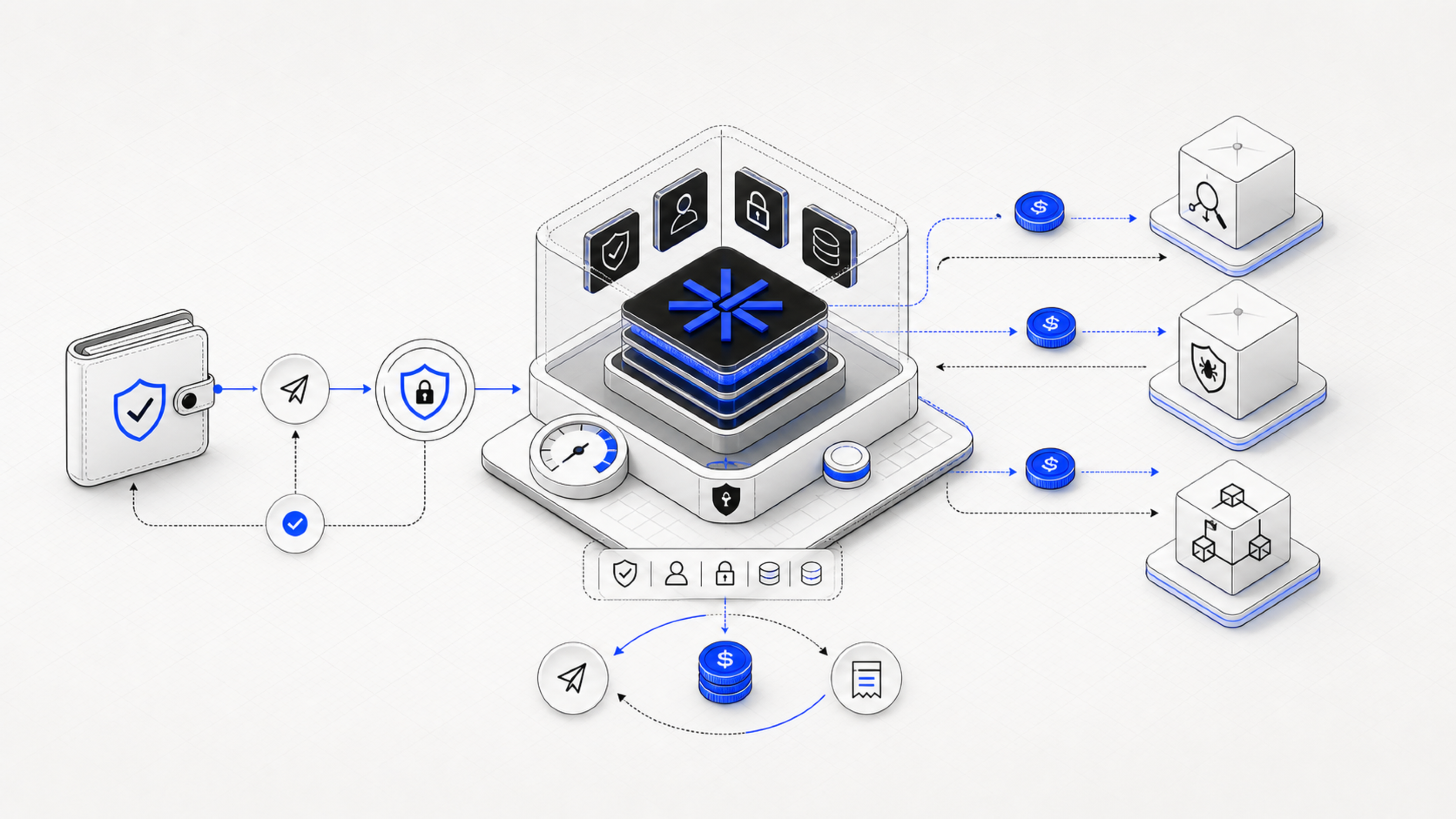
Simulation, calldata decoding, counterparty checks, and allowance review must happen inside the wallet prompt window, before the signature leaves the user.
Gap
Scanners and audit tools are fragmented, account-bound, and built for professionals. Flick turns them into one automatic local agent.
Agent
Core utility
The dApp makes every on-chain action safer by default and pays for the intelligence required through a per-call budget.
Simulates the candidate transaction, decodes calldata, checks approvals, evaluates counterparty risk, and returns allow, warn, or block.
Buys an assessment for a specific contract, token, or protocol when the user or another agent actually needs the answer.
Re-evaluates standing exposure such as open approvals, positions, and protocol dependencies as new information appears.
Architecture
x402
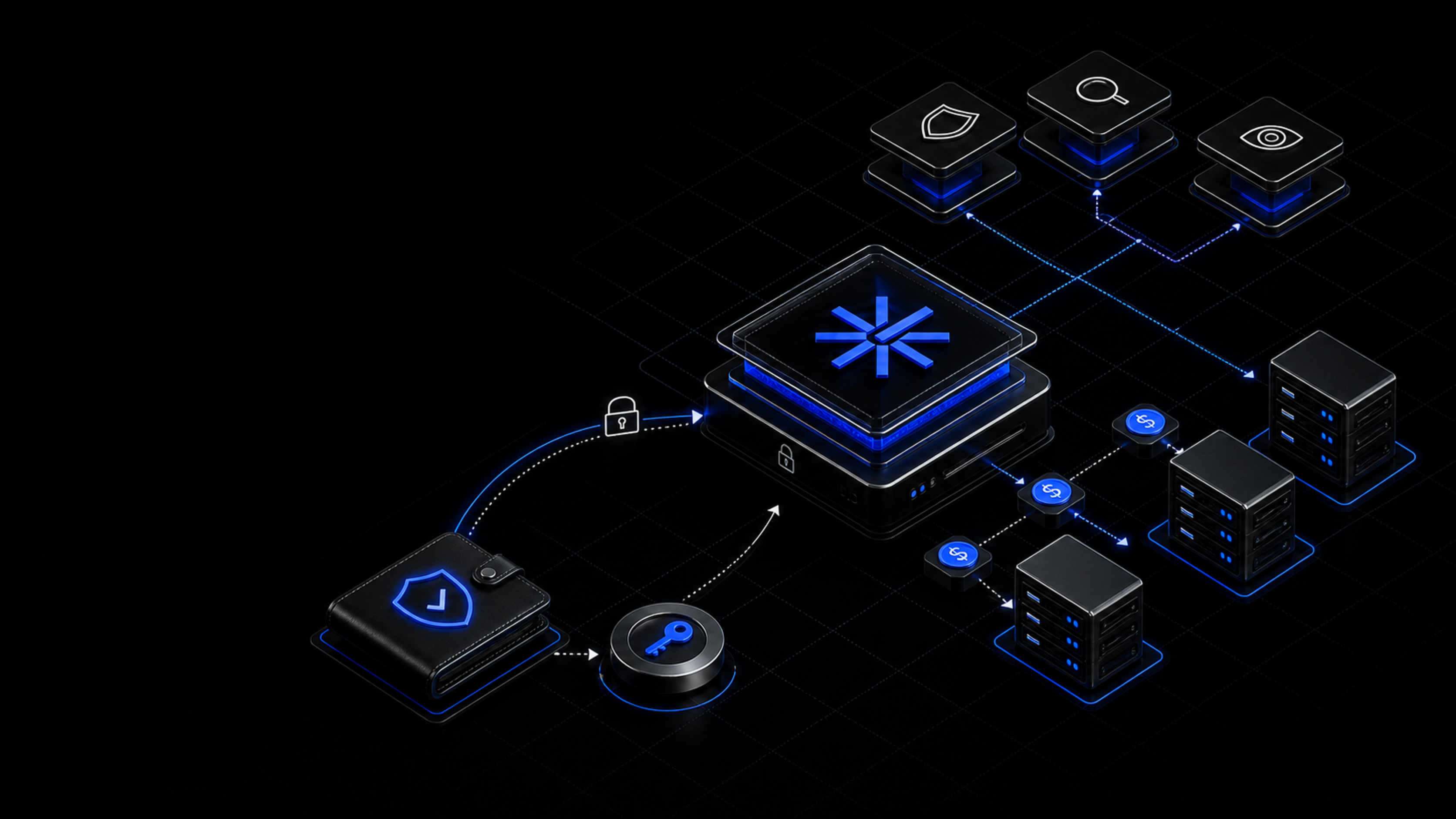
Agent asks for one unit of work: a simulation, audit, threat lookup, or model inference.
Provider responds with 402 Payment Required, price, accepted asset, and destination.
Local policy checks balance and budget before any payment is authorized.
Agent signs exactly the required payment authorization and retries the request.
Provider returns the result, and the local spend accumulator updates.
Economics
CALCULATION
unprotected = qL
protected = (1-d)qL + C
C < dqL
The important design point is structural: cost is incurred per action, so users are not paying during long periods with no active risk.
Cost tracks protective activity instead of a fixed subscription paid during quiet periods.
Simulators, auditors, inference providers, and threat-data maintainers monetize the exact unit consumed.
Trading, treasury, and assistant agents can call Flick as a machine-payable security primitive.
Token
Settlement
$FLICK meters Guard, Audit, Watch, and verdict-as-a-service calls.
Distribution
95% liquidity and 5% marketing; no founder allocation, investor tranche, or discretionary treasury.
Demand
Utility demand follows the amount of intelligence consumed or verdicts sold by the network.
Sustainability
Endpoint operators are funded by per-verdict revenue; shared work can be funded from protocol fees.
Threat model
Roadmap
Stage I
In-path pre-signature checks with x402-metered simulation and threat lookup.
Stage II
On-demand contract assessment and continuous exposure monitoring under the same budget.
Stage III
External agents purchase priced safety verdicts before delegated signing.
Stage IV
Permissionless intelligence and verdict providers with quality signaling.